When you purchase through links on Half-Pan Dispatch, we may earn an affiliate commission at no additional cost to you. How referral links support our research
A studio watercolor setup is built for comfort and leisure: broad ceramic dishes, deep jars of clean water, and loose rows of delicate sable brushes. Moving that setup into a backpack or carry-on, however, is a quick recipe for crushed bristles, chalky pigment dust, and waterlogged sketchbooks. Packing for field sketching requires a shift from studio abundance to intentional, mechanical efficiency.
Whether you are capturing quick sketches on a crowded train platform or settling into a bench for an afternoon landscape, a successful travel watercolor kit balances four essential elements: pigment stability, clean water delivery, bristle safety, and fast breakdown. Here is how to assemble, protect, and pack your gear for zero-friction painting anywhere.
1. Choose the Right Palette Geometry
The core of your travel kit is your paint carrier. Traditional metal tins with half-pans are classic, but different travel modes demand different physical footprints:
- The Micro Sketching Rig: If your priority is working standing up or sketching directly in an A6 journal, tiny pocket boxes that clip directly onto the notebook edge eliminate the need for a lap table.
- The Fan-Style Palette: Layered swivel palettes compress dozens of pigment wells into a single slender stick that slides into an outer pocket or pencil sleeve.
- The Integrated Basin Box: For longer painting sessions where you want dedicated rinse wells and deep mixing wells without carrying loose cups.
If your sketching style leans toward quick street vignettes and pocket-sized notebooks, a micro wooden palette clamped directly to your page spread offers the most tactile, friction-free workflow.

For artists who require a broader color range without the physical sprawl of a standard double-fold metal tin, a fan-style swivel set compresses wide palette variety into a vertical column.

2. Solve Water Management Without Open Spill Hazards
Open water cups are the single greatest vulnerability of painting in transit. A sudden train jolt, wind gust, or uneven park bench can ruin hours of work in an instant. Managing water on the move comes down to two proven approaches:
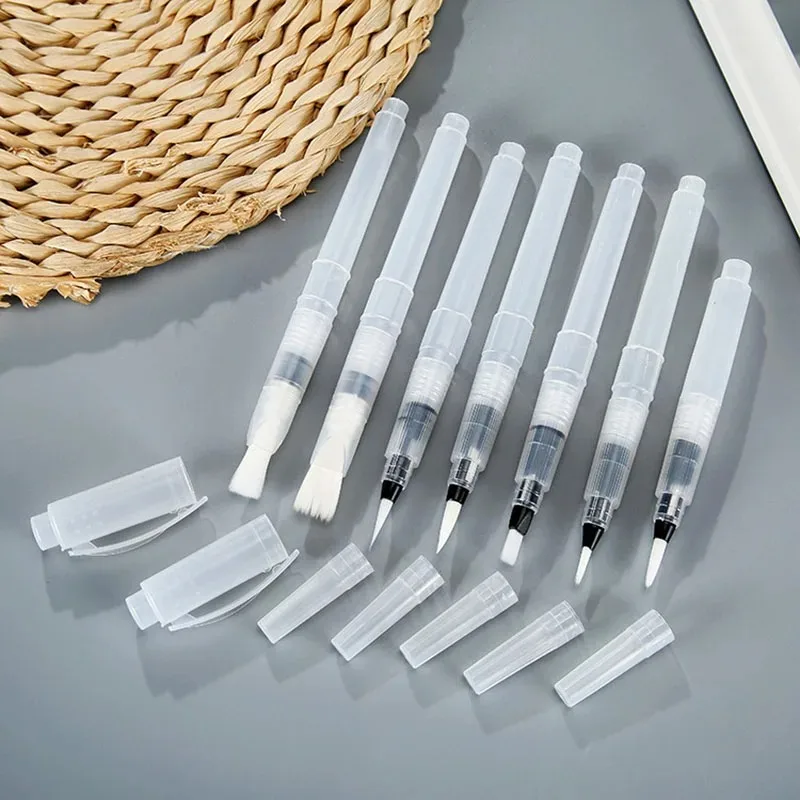
Option A: Self-Contained Water Brush Pens
Water brush pens combine a synthetic nylon tip with a hollow, squeezable barrel reservoir. They eliminate open rinse cups entirely. To clean your tip between color transitions, simply squeeze a drop through the ferrule and wipe the nylon bristles across a scrap of cotton rag or wrist-mounted sponge.
Option B: Integrated Basin Systems
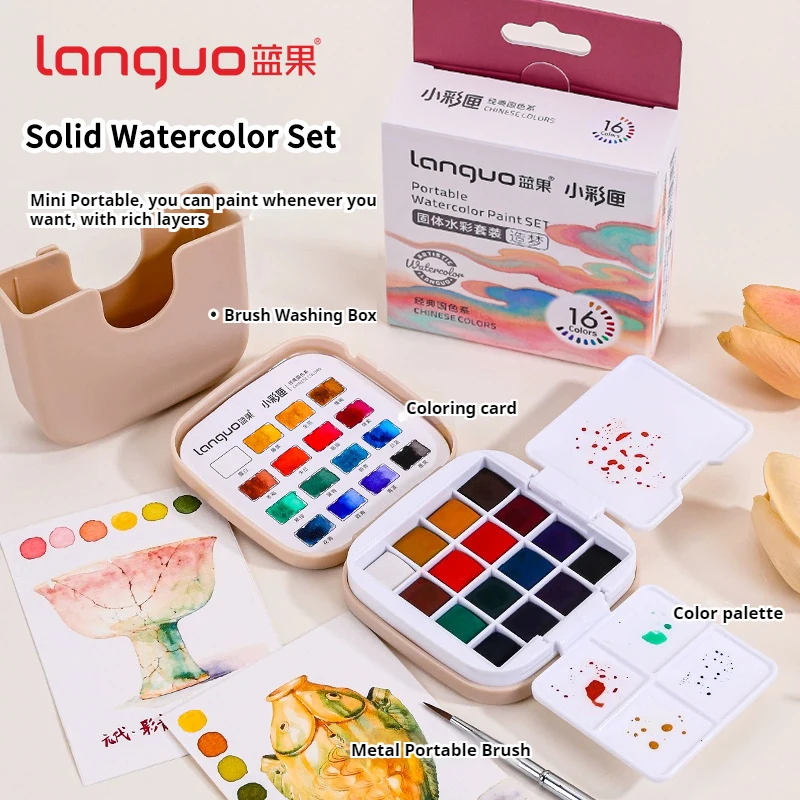
If you prefer traditional short-handled travel brushes that require regular rinsing and swirling, choose a compact palette case that features a snap-on wash cup. This prevents separate cups from wandering across your workspace or tipping over in uneven terrain.
3. Step-by-Step: Packing Your Kit for Transit
To ensure your kit unpacks clean and ready to paint without loose parts rattling in your bag, follow this compartmentalized packing routine:
| Component | Packing Technique | Protection Goal |
|---|---|---|
| Solid Pigments | Dry thoroughly; secure with a wide elastic band or silicone band. | Prevents accidental lid pop and pan rattle. |
| Water Brushes | Store dry when flying; wrap reservoir caps tightly in a zip pouch. | Prevents cabin pressure changes from forcing water past seals. |
| Traditional Brushes | Use reversible pocket handles or rigid ventilated brush tubes. | Guards fine hair tips from bending against bag walls. |
| Sketchbook & Paper | Pack between flat backing boards or in a dedicated zip sleeve. | Protects heavy 300gsm cotton pages from corner dings. |
4. The Pocket Field Rig: Non-Paint Essentials
A functional mobile painting kit relies on a few unglamorous support items that keep cleanup quick and surfaces manageable:
- Bull Clips or Brass Binder Clips: Hold sketchbook pages flat against stiff breezes and provide an anchor point for clip-on palettes.
- Absorbent Cotton Rag or Cellulose Sponge: A small square of terry cloth wrapped around your wrist with an elastic band lets you adjust brush moisture instantly without fumbling for napkins.
- Waterproof Fineliner or Graphite Pencil: For establishing linework before laying down fresh transparent washes.
When everything packs down into a single compact pouch, the barrier between noticing a scene and painting it vanishes. Choose tools that fit your physical travel habit, pack them dry, and keep your water system sealed until you are ready to put brush to paper.